
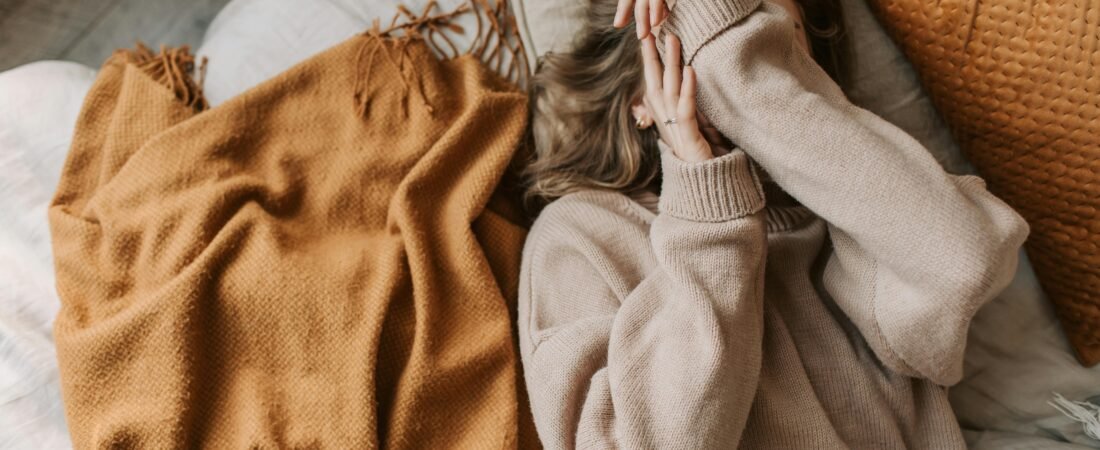
Keep your family healthy with the best air purifiers of 2025! Read reviews of Levoit, Philips, and Aerovec as we compare top models to remove allergens, dust, and indoor pollutants effortlessly.
*As an Amazon Associate, I earn from qualifying purchases.*
Why would I need an air purifier?
Living in a modern home, especially in your bedroom, means you’re exposed to a variety of airborne pollutants. Some of the most common include:
- Particulate matter – Dust and fine particles from smoke, combustion, or cooking.
- Allergens – Pollen, pet dander, and dust mite fragments are common triggers for people with asthma and allergies.
- Odours and volatile organic compounds (VOCs) – Emitted from paints, cleaning products, furniture off-gassing, and cooking. Essentially, these are tiny particles and chemical pollutants released from everyday household items that can cause irritation, headaches, and respiratory issues.
- Smoke and outdoor pollutants – These can infiltrate indoor spaces, especially if you live in an area affected by bushfires, wood heating, or heavy traffic. Even indoor sources like cooking or candles can contribute to poor air quality.
Many people assume that indoor air is always better because it’s “your own germs,” but in reality, indoor concentrations of some pollutants can actually cause mild allergic reactions or difficulty breathing. This depends largely on factors like ventilation, daily activities, and cleaning habits. In the bedroom especially, clean air is important because you spend many hours there while your body is in a state of rest and recovery (sleeping). For people with allergies, asthma, or simply those wanting better sleep quality, a good air purifier can help reduce the level of airborne irritants. That said, an air purifier is a tool, not a complete solution. It works best when used alongside good ventilation, source control (for example, avoiding smoking indoors and limiting chemical emissions), regular cleaning and dusting, and proper humidity management.missions), regular cleaning and dusting, and managing humidity.
Types of Filters
If you’re considering an air purifiers, there are 3 main things to consider to get the best results for your air.
HEPA filter
- High Efficiency Particulate Air (HEPA) filters are considered the gold standard for particle removal. Research shows that a quality HEPA filter can trap around 99.97% of particles as small as 0.3 microns, depending on testing conditions.
- These filters are highly effective at capturing dust, pollen, pet dander, and fine smoke particles — arguably the most important function of an air purifier.
- Important: The purifier must be correctly sized for the room, and both filter quality and airflow capacity need to match. Even the best HEPA filter will underperform if the purifier itself is too small for the space..
Activated carbon / odor control
- If you’re dealing with smells, such as cooking odours, tobacco smoke, or VOCs, a carbon filter is especially useful for removing these gases and odours. A HEPA filter alone won’t effectively eliminate them.
- Carbon filters can vary in both capacity and lifespan, so it’s important to check the manufacturer’s recommended replacement schedule. If your unit is a smart air purifier, the companion app will often notify you when it’s time to change the filter.
Correct filter/air purifier size for your space
- CADR (Clean Air Delivery Rate) indicates how quickly a purifier can deliver clean air to a given space, the higher the number, the better. A general rule of thumb is that the CADR should be roughly two-thirds of the room’s area (in square feet or meters) or matched to the manufacturer’s recommended room size.
Popular Air Purifiers
There are many air purifiers on the market, and a higher price doesn’t always mean better quality or suitability for your space. I’ve put together a quick summary of popular air purifiers from reliable brands to help you choose the one best suited for your home.
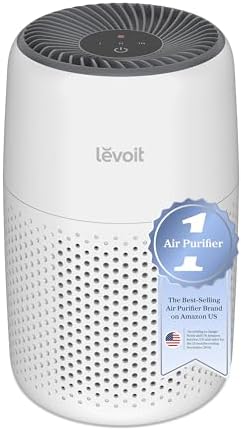
| Brand/model | Levoit Smart Core 300 | Levoit Core Mini Air Purifer |
| Room size coverage/CADR | 187 m3/h or 80m2 size room | 34m2 size room |
| Type of Filter | H13 True HEPA | HEPA filter |
| Energy Usage | 33 Watts | 50 Watts |
| Smart capacity | Controled by the VeSync app, Alexa or Google Assistant | Manual Control, no wi-fi connectivity |
| Sound/noise | Ultra quiet in sleep mode, 24 decibels | 25 decibels in sleep mode |
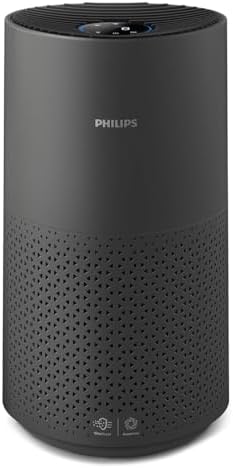
| Brand/model | Phillips 1000i | Phillips 600i |
| Room size coverage/CADR | 300m3/h CADR, 20m2 size room | 170 m3/h CADR |
| Type of Filter | NanoProtect HEPA/Active Carbon | NanoProtect HEPA |
| Energy Usage | 27 Watts | 12 Watts |
| Smart capacity | Phillips Air+ app or manual via remote controll | Phillips Air+ App |
| Sound/noise | 15 decibels in sleep mode | 19 decibels in sleep mode |


| Brand/model | Arovec Compact AV-P152 | Arovec AV-P500S |
| Room size coverage/CADR | 15 m2 room | 50 m2 room |
| Type of Filter | H13 True HEPA/activated carbon filter | H13 HEPA/Activated carbon filter |
| Energy Usage | 25 Watts | 45 Watts |
| Smart Capacity | Manual control, no wi-fi connectivity | Smart controll via the BriSync app |
| Sound/noise | 28-50 decibels depending on fan speed | 29-58 decibels depending on mode and speed |

