


Many parents worry that important memories, stories, and family experiences will be lost over time. Photos are stored digitally, conversations go unrecorded, and everyday moments that shape family identity often fade without documentation. I recently felt the weight of this when I tried to write a dementia flip book for my grandmother, and to my embarrassment, I didn’t even know the town she grew up in!
Preserving personal and family history does not require extensive time, complex systems, or large amounts of physical storage. With intentional tools and simple habits, families can create a meaningful record of their history that is both accessible and lasting.
This guide outlines practical ways to preserve family memories using smart home devices, physical keepsakes without clutter, and prompted memory books.
An effective approach to preserving family history balances simplicity, consistency, and intention.
Use Smart Home Devices to Record Family Memories
Smart home devices offer an efficient, hands-free way to capture personal and family history without interrupting daily routines. Voice assistants and recording features allow parents to document thoughts and stories in real time.
Practical uses:
- Record short voice notes about daily experiences (For example, prompt alexa ‘Alexa, take a note’ then speak your memory to alexa. Refer back to the note when you can and record the memory in your chosen way)
- Answer memory prompts verbally
- Capture reflections while multitasking (Alexa can also add things to a list to you, for example ‘Alexa, add ____ to my ideas list’. Come back to these prompts later so you don’t forget your thoughts)
These voice recordings can later be stored, transcribed, or summarised to create a long-term digital record of family memories.


Keep Physical Family Memories Without Creating Clutter
Physical keepsakes play an important role in preserving family history, but unstructured storage can lead to clutter and overwhelm. A curated approach helps maintain meaning while limiting volume. For more in depth ideas, head to our blog post about clutter free family memories.
Clutter-free memory keeping strategies:
- Keep only items connected to specific memories
- Pair objects with written or recorded explanations
- Put physical photos in an organised box
Meaningful physical keepsakes might include:
- A handwritten note or letter
- A printed photograph with context
- A small item connected to a significant family event
By limiting the quantity of items kept, families ensure that each physical memory retains its emotional and historical value and feels less overwhelming.
Use a Prompted Memory Book to Document Family Stories
One of the most common barriers to recording personal history is uncertainty about what to write. Prompted memory books provide structure and guidance, making the process approachable and consistent.
Prompted memory books help families:
- Capture everyday life, not just milestones
- Record values, routines, and reflections
- Create a physical family history record
Typical prompts may explore:
- Daily life and routines
- Perspectives and lessons
- Hopes and intentions for future generations
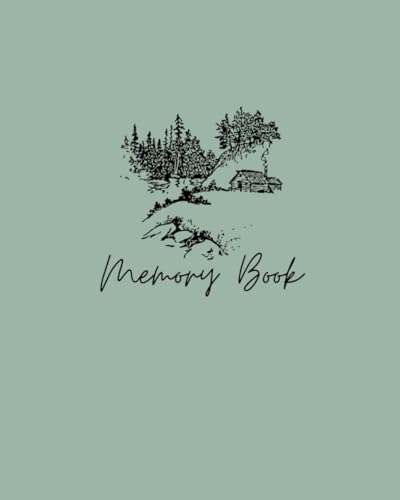
Short, regular entries are sufficient. Over time, these small contributions form a comprehensive and meaningful personal history. The memory book below is suitable for any age, family structure, or personal situation. It offers prompts that are broad rather than overly specific, allowing space to share your own story without the pressure of “what life should be like” or the concern of leaving pages blank because a prompt does not feel relevant.
A Sustainable Approach to Preserving Family History
Preserving family history does not require capturing every moment. A sustainable system focuses on:
- Consistency over volume
- Context over perfection
- Accessibility over complexity
Combining digital recordings, curated physical keepsakes, and a prompted memory book creates a balanced method for documenting personal and family history.
This approach ensures that family stories, values, and everyday experiences are preserved in a form that future generations can access and understand.
Conclusion
Concerns about losing family stories are common, particularly in fast-paced, digitally driven households. By using simple tools and intentional systems, families can preserve their personal history without added stress or clutter.
Smart home devices support effortless documentation, curated physical keepsakes retain meaning without excess, and prompted memory books provide structure for reflection. Together, these methods help ensure that family stories are recorded, preserved, and passed down.