

Feeling Overwhelmed by Recording Your Story? You’re Not Alone
The idea of recording your stories, memories, and personal history for future generations is a beautiful one — and yet, for many people, it feels completely overwhelming.
Where do you start? What should you record? What if you don’t have enough time, or you’re not sure your story is even worth saving?
If you’ve ever felt stuck before you’ve even begun, this post is for you. The truth is: starting does take effort — but with the right mindset and a simple framework, it can feel meaningful rather than daunting.
*As an Amazon Associate I earn from Qualifying purchases*
Step One: Start With Your Why
Before you pick up a pen, open a notes app, or press record, pause and ask yourself one important question:
Why do I want to record my memories?
Your why is what will keep you going when motivation fades or life feels busy. There is no right or wrong answer, only honest ones.
Some common reasons people choose to record their stories include:
- Wanting children or grandchildren to know who you really were
- Preserving family history that might otherwise be lost
- Passing down values, lessons, and beliefs, not just dates and facts
- Creating something meaningful that outlives you
- Making sense of your own life experiences
Write your why down somewhere visible. Return to it often. If you don’t have it somewhere visible or easily accessable, you’ll forget. It’s like putting a chocolate cake on the bench, you won’t stop thinking about it! When recording memories feels hard, your why is what gives the effort purpose.
Step Two: Choose How You Like to Record Memories
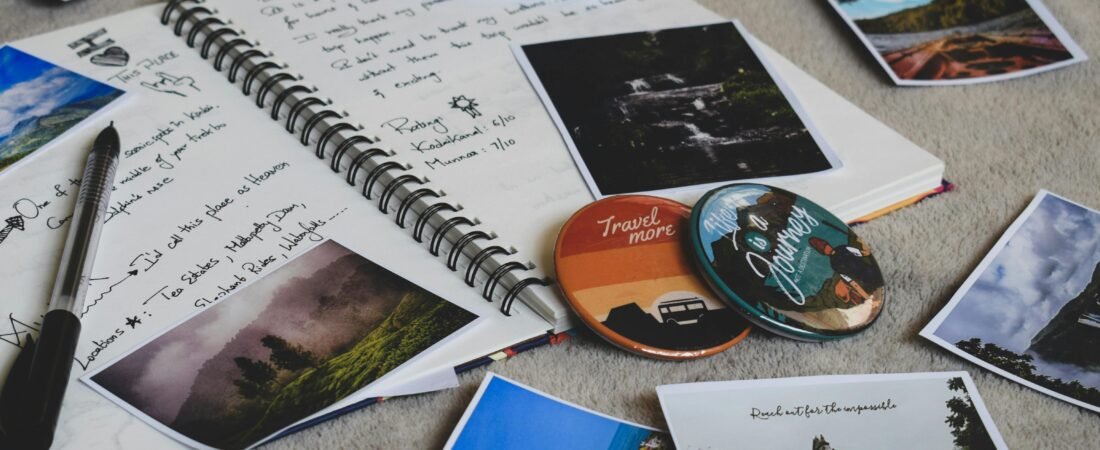
There’s no right way to record your story. If writing isn’t your thing, find something that you enjoy! I personally like scrapbooking and photo albums with short descriptions so I don’t get overwhelmed or bored. The best method is the one you’ll actually use.
Ask yourself: How do I naturally like to capture memories?
Here are a few ideas, and you can mix and match as much as you like.
✍️ Writing & Journalling
- Handwritten journals
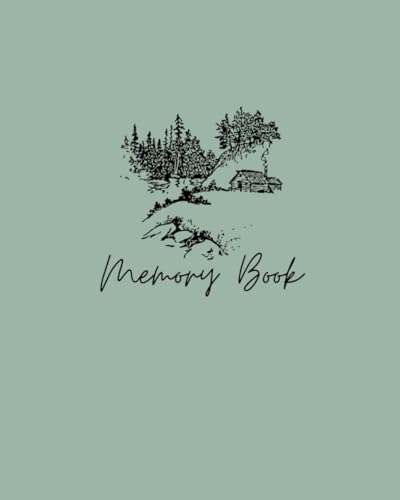
- Guided memory books or prompts (see our blog Capture Your Story: A New Memory Book for All Generations for our recommended Memory Book)
- Free-writing stories as they come to mind (in your phone or have a notebook ready.
- BONUS: I like to use my Smart Home device to add prompts to a list so I can remember to write about them later. For example, if I’m cooking dinner and I remember that my Great Grandad used to always have Jersey Caramels in a jar on his kitchen counter top, but I don’t have the hands to write it down yet, I say “Alexa, add ‘Grandad’s Jersey Caramels’ to my Family History list”, then I can go back to that list and remember the passing thought’s I have.
Best for those who enjoy reflection, quiet moments, and putting thoughts into words.


📸 Photo Albums & Scrapbooks
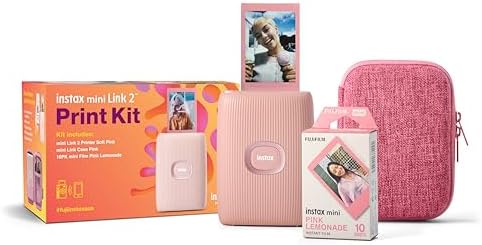
- Printed photo albums with captions (especially cute with the Instax Mini range)
- Scrapbooks with notes, letters, and memorabilia
- Annotating old family photos with names and stories
Best if photos spark your memory and help stories flow.


🎥 Video & Voice Recordings
- Short videos telling one story at a time
- Voice notes recorded while driving or walking
- Interviews with yourself or loved ones
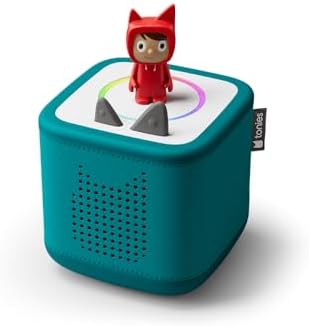
- BONUS: Tonie Boxes have this amazing feature where you can buy blank Tonies and upload any recording to play from the tonie itself. Putting a Grandparent, Auntie, Uncle or Cousin telling a story onto the blank tonie could be a great way to have your Family story passed down. If you’re not sure what a Tonie Box is, read our blog Toniebox 2 Review: The Best Educational, Screen-free Audio Toy for Early Childhood Development
Perfect if speaking feels easier than writing or if you want future generations to hear your voice.

💻 Digital Files & Notes
- Notes apps or documents
- Digital journalling platforms
- Scanned letters and photographs
Great for flexibility, editing, and ongoing additions.
There’s no rule that says you must choose just one. Many people start with what feels easiest and expand later.
Step Three: Decide How You Want Your Stories to Live
Once you know how you like to record memories, think about where you want them to live long-term.
Ask yourself: How do I want these stories to be experienced?
Some ideas include:
- 📖 Story books or memory books that can be read cover to cover
- 📓 Journals passed down or kept in a special place
- 🖼️ Photo displays or gallery walls that tell a story visually
- 🗂️ Memory boxes with letters, photos, and keepsakes
- 💾 Digital archives shared with family members
Thinking about the end format can help guide what you record — and keep your project feeling purposeful, not endless.
Technology should support your memory-keeping, not complicate it. Here are some simple, practical suggestions.
Digital Storage
- Back up important files in two places if possible
- Use cloud storage (like Google Drive, iCloud, or OneDrive) for backups
- Create clear folders (e.g. “Life Stories”, “Family Photos”, “Voice Notes”)
Physical Storage
- Use archival-quality photo albums to protect prints
- Store journals and books away from moisture and sunlight
- Label boxes clearly so stories aren’t forgotten


Blending Both Worlds
- Print meaningful digital photos
- Transcribe important voice recordings into writing
- Scan handwritten pages so they exist in more than one form
Step Four: Use these Prompts! And apply them with the method you choose
Special Life events: write what you remember, who was there, how you felt, what happened, what went wrong, what was funny, what made you happy, the general events of the day etc.
- Graduation
- Weddings
- Funerals
- Performances (Musicals, Plays, Dance, Singing, Spelling Bee, Public Speaking etc)
- Childbirth
- Holidays
- Birthdays
- Sporting Events
- Christenings/Baptism
- Camping
Use these more specific prompts for stories you might want to write about
- A memory from your childhood that still makes you smile
- A place you lived that shaped who you became
- A small moment from childhood that felt big at the time
- Someone who cared for you when you were young
- A childhood tradition you remember clearly
- A story about your parents helping you
- Something you did with an adult consistently throughout life (painting, fishing)
- A relationship that deeply influenced your life
- A friendship that meant a lot to you
- A moment when you felt truly supported by someone
- A goodbye that was hard but meaningful
- A teacher or mentor who made a difference
- A moment you felt proud of yourself at school or work
- A job that taught you something unexpected/you worked hard at
- A time you doubted yourself and what happened next
- A skill you learned the hard way
- A moment when love surprised you
- What family means to you
- A lesson you learned about relationships
- A time you had to be strong when you didn’t feel strong
- A failure that taught you something valuable
- A moment you had to start again
- A place that feels like home to you
- A moment you felt deeply grateful
- Values that matter most to you
- Beliefs that guide your decisions
- Traditions or culture that shaped you
- A memory sparked by a photo (print a few photos and write on the back)
- A story you’ve told many times — and why
A Gentle Reminder: You Don’t Have to Do It All at Once
Start small:
- One story
- One photo
- One page
- One recording
Future generations won’t be grateful for perfection, they’ll be grateful that you started.